
DTF vs. Screen Printing: Which Is Better for Custom Apparel?

When ordering custom apparel, one of the biggest decisions is how the design will be printed.
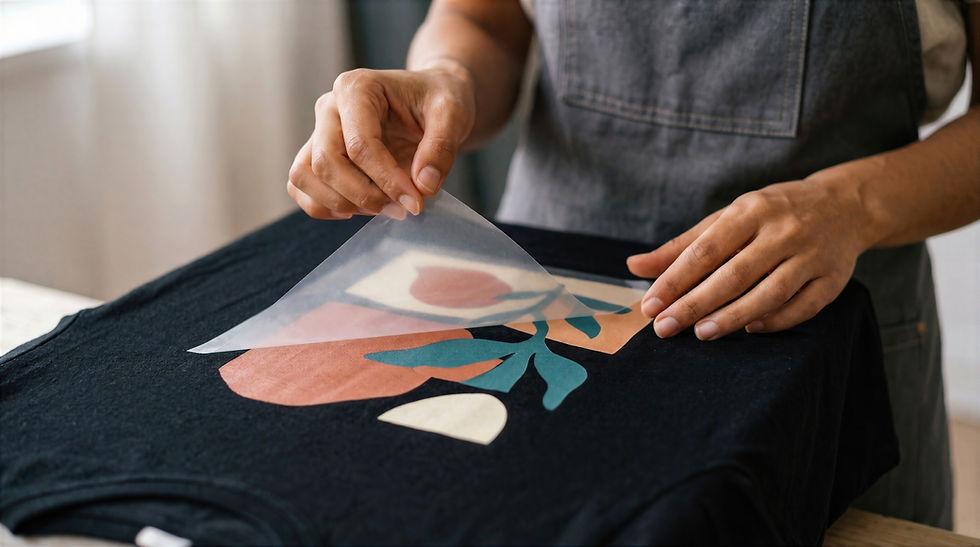

Two of the most common options are DTF printing vs screen printing. Both can produce high-quality custom shirts, hoodies, uniforms, and promotional apparel, but they work differently and are better suited for different types of orders.
The best choice depends on your artwork, quantity, garment type, budget, and how the apparel will be used.
What Is DTF Printing?
DTF stands for direct-to-film.
With DTF printing, artwork is digitally printed onto a special film, coated with adhesive powder, cured, and then heat-applied to the garment.
Because the artwork is produced digitally, DTF works especially well for detailed designs, multiple colors, gradients, small text, and complex logos.
DTF can be used on many common apparel fabrics, including:
Cotton
Polyester
Cotton/poly blends
Performance fabrics
Workwear
Hoodies
T-shirts
Polos
What Is Screen Printing?
Screen printing uses mesh screens to apply ink directly onto the garment.
Traditionally, a separate screen is created for each print color. Ink is pushed through the screen onto the shirt and then cured.
Screen printing has been used for decades and remains a strong production method, particularly for large orders with relatively simple artwork.
It is commonly used for:
T-shirts
Hoodies
Event apparel
Promotional shirts
Team apparel
Large-volume orders
DTF vs. Screen Printing: The Main Differences
The biggest differences between DTF and screen printing involve artwork complexity, setup, quantity, color count, and production efficiency.
Artwork and Color
DTF printing is especially effective for artwork with:
Many colors
Gradients
Photographic detail
Small text
Complex logos
Because DTF is digitally produced, adding more colors does not require creating additional screens.
With traditional screen printing, each ink color typically requires its own screen and setup.
For a simple one- or two-color design, that may not be a major issue.
For a logo containing six, eight, or more colors, however, the production process becomes more involved.
Which Is Better for Full-Color Designs?
For detailed, full-color artwork, DTF usually provides more flexibility.
A company logo containing:
Multiple brand colors
Shading
Gradients
Fine lines
Complex illustrations
can often be reproduced without simplifying the design.
Screen printing can also produce multicolor artwork, but additional colors generally increase setup requirements and production complexity.
This is one of the reasons DTF has become increasingly useful for branded business apparel.
Which Is Better for Large Orders?
This depends on the design.
Screen printing can be extremely efficient for large runs of simple artwork.
For example, an order of 1,000 shirts with a one-color front design may be a very strong application for screen printing.
However, if those same 1,000 shirts require a detailed full-color logo, DTF may offer advantages because the artwork does not require a separate screen for every color.
The right production method should be chosen based on the entire order, not quantity alone.
Which Is Better for Small and Medium Orders?
DTF generally provides more flexibility for smaller and medium-sized orders because there is less traditional screen setup involved.
This can make DTF especially useful for:
24–100 piece orders
Employee uniforms
Small business apparel
Department-specific shirts
Short-run promotional apparel
Reorders
Multiple logo variations
Businesses that place frequent apparel orders may also benefit from the flexibility of digitally produced transfers.
Does DTF Feel Different Than Screen Printing?
Yes.
The finished feel depends on the artwork, ink coverage, garment, and production method.
A large solid DTF graphic can have a noticeable surface feel because the transfer sits on top of the fabric.
Traditional screen-printing ink may feel softer on certain designs, especially when the artwork uses limited ink coverage.
For smaller logos, detailed designs, and many business applications, the difference may be relatively minor.
The size and density of the artwork often matter just as much as the printing method.
Which Method Is More Durable?
Both DTF and screen printing can be durable when produced and cared for properly.
Durability depends on factors including:
Quality of materials
Proper curing
Correct heat application
Garment fabric
Washing temperature
Dryer temperature
Print size and construction
A properly produced print should withstand normal washing and regular use.
For best results, follow the garment and print-care instructions provided by your apparel supplier.
Which Is Better for Business Apparel?
For many businesses, DTF offers several practical advantages.
Company logos often contain multiple colors and detailed elements, and businesses may need relatively modest quantities across several garment types.
For example, a company might order:
50 T-shirts
25 hoodies
20 polos
15 performance shirts
Using a flexible digital decoration method can make it easier to reproduce the same branding across multiple garments.
Screen printing may be a better fit when the order involves a very large quantity of the same garment with simple artwork.
What About Polos and Professional Apparel?
For polos, jackets, and professional uniforms, embroidery is often another option worth considering.
Embroidery provides a textured, dimensional appearance and is commonly used for left-chest company logos.
DTF can still be appropriate for some polo and performance garments, particularly when the artwork is highly detailed or contains many colors.
The right choice depends on the fabric, branding, and desired appearance.
DTF vs. Screen Printing Cost
There is no single answer to which method is cheaper.
Pricing depends on:
Quantity
Number of colors
Print size
Number of print locations
Garment type
Artwork complexity
Production requirements
A simple screen-printed design may be extremely economical at high volumes.
A detailed multicolor design may be more cost-effective with DTF because additional colors do not require separate screens.
This is why custom apparel quotes should be evaluated based on the complete project rather than the decoration method alone.
When Should You Choose DTF Printing?
DTF is often a strong choice when you need:
Full-color artwork
Detailed logos
Gradients
Short or medium production runs
Multiple garment types
Frequent reorders
Consistent branding across different products
When Should You Choose Screen Printing?
Screen printing may be a strong choice when you have:
Very large quantities
Simple artwork
Limited colors
The same design across a large number of garments
A project specifically suited to traditional screen-print production
So, Which Is Better?
Neither method is automatically better for every order.
The best printing method depends on what you are trying to produce.
For complex, multicolor artwork and flexible ordering, DTF can be an excellent choice.
For large-volume orders with simple artwork, screen printing may be extremely efficient.
A good apparel provider should recommend the decoration method based on the garment, artwork, quantity, budget, and intended use rather than forcing every order into the same production process.
Get Help Choosing the Right Printing Method
FTF Design Co. produces custom apparel for businesses, organizations, teams, and events.
If you're unsure whether your project is better suited for DTF printing, screen printing, or embroidery, we can help evaluate the artwork, garment, quantity, and intended use.
View our custom apparel pricing or request a quote for your next project.


Comments